Showing posts with label Viruses. Show all posts

Wednesday, February 26, 2025

Battling a Virus & Sinus Infection on Top of ME/CFS


It's been a rough few weeks for me! In spite of rarely going out and wearing a mask when I do, I caught some sort of respiratory virus in early February (probably from my rare dinner out in a restaurant!). It didn't feel like the flu or COVID, as the symptoms developed gradually (those two both tend to hit hard all at once). Just to be sure, I tested for COVID four times (in the past, I haven't tested positive until day 4 of symptoms)--all negative.

I mostly just had sinus congestion and was exhausted, so I treated the symptoms and added in extra herbal antivirals, plus some extra vitamin C, vitamin D3, and zinc, to support my immune system. After about 10 days, I started to feel better, which was pretty surprising. It seemed I'd had a normal cold, lasting about the normal time--crazy! I haven't had a plain old cold in about 20 years; I don't normally catch viruses (other than COVID, since I don't make the antibodies against it). I had two days of feeling really good, almost back to "my normal" baseline. Then, the sinus congestion worsened again, and I felt like I'd been knocked down, totally wiped out again.

That pattern--mostly recover from a virus and feel good, only to suddenly worsen again--usually means a secondary bacterial infection (which is also pretty normal!). For decades, I got bacterial bronchitis 5-6 times a year, but this was not in my chest but definitely in my sinuses. I sent a note to the Nurse Practitioner now caring for me, since my doctor retired in January. But it was a Saturday night, so I also started taking antibiotics I had here (a recent prescription I hadn't used). I knew it was the right one because I have so many allergies and intolerances that there are only two types I can usually tolerate, and I knew which one was used for bronchitis and which one was preferred for sinus infections.

The congestion began to improve again in a couple of days, though I am still pretty wiped out. I avoid antibiotics if at all possible, since they make my chronic yeast overgrowth much worse (that's why I had some I hadn't taken last year). There are always complications with this crazy disease--nothing is ever simple! At this point, I'm not sure if I'm still worn out from the infection or if it's now due to yeast overgrowth, but I am a little better than I was yesterday. I know I need to stay on the antibiotics for another day or two, to make sure the sinus infection is completely cleared up--I wouldn't want to have to take another round of them!

I made a chronic illness vlog during the worst of the virus. It provides a peek into my daily life when I'm badly crashed, as well as the treatments I use to ease viral symptoms and help me get over a virus faster, plus some insight into my usual ME/CFS treatments as well. You can watch the vlog on YouTube or I'll include it below:


I finished recording that vlog last Wednesday, and Thursday and Friday were my good days! 

I'm getting pretty nervous because we're supposed to be leaving on a long road trip to Texas with our camper in less than two weeks (our son will be here to watch the house). We have plans to visit lots of friends and family and have made campground reservations and other plans, so I really hope we don't have to cancel. Hopefully, I will be feeling better well before then so we can get ready. I will post some videos to my YouTube channel from the road but may not be able to post anything here on the blog.

How do extra infections on top of your chronic illness affect you?
 
What helps you?
 
Share your experiences (or any questions) in the comments below.
 
You can also connect with me on Facebook and Twitter and Instagram.

Monday, January 27, 2025

2024 Year in Review: Still Riding the Chronic Illness Rollercoaster!


For the second year in a row, I'm referring to the past year as a rollercoaster (in fact, Riding the Chronic Illness Rollercoaster is the name of a chapter in my book!) because that's the best description for it, with major highs and major lows last year in my life with ME/CFS and Lyme. In this post, I'll provide a brief overview of my year and what caused those ups and downs, review the many different treatments I tried (or restarted or stopped) and what helped and what didn't. I also made a video summary, if you prefer to watch (I'll link it here after it's edited and posted or you can check my YouTube channel).

NOTE: I like data and am an analytical person. For details on how I simply track how I feel on a calendar, check out my post, My Progress in 2020 and Goals for 2021 and scroll down to My Health in 2020 and below that, the section called "How Do I Know This?" Or you can watch my short video, Chronic Illness: Tracking How I Feel, Symptoms, and Treatments. I use a 1 to 5 rating, where 1 is good and 5 is mostly bedridden. I also rate my exertion each day on a 1 to 5 scale. And for details on the process I use for goals, which focuses on taking very small steps toward what I want in my life, see my video, Setting Goals When Chronically Ill (Improve Your Life in Tiny Steps).


Overview of My Health in 2024

Average How I Felt = 2.5 (1 is good; 5 is bad)

  • Same as 2023.
  • My best months were 2.1, and my worst was 3.5 (rollercoaster!).

Average % crashed = 14% (meaning I was couchbound/bedridden 14% of the time)

  • Crashed = a 3.5, 4, or 5 on my scale, unable to function, stuck in bed or lying on the couch.
  • The average doesn't tell the whole story because there were six months without a single crash day and months where I was crashed more than 50% of the time.

Average exertion = 3.8 (on a scale of 1 to 5)

  • Same as 2023.
  • Again, there were good months and bad. 

Month-by-Month Changes & Why:

January to June - I felt great, not a single crash day in six months! My average "how I felt" each month was 2.1 or 2.2, which is very good for me. My average exertion was 4 on a scale of 1 to 5! I was active and feeling great and not crashing at all.

July/August - I got COVID in early July (my second time), and my crash-free streak came to an abrupt end. I was very sick but got on Paxlovid immediately (see treatments below). I started to recover in August.

September - By the end of September, I was fully recovered from COVID and back to my excellent baseline of the start of the year, able to be active again without crashing and feeling good every day.

October to December - Around mid-October, I went into an ME/CFS relapse, with severe flu-like aches every day (a sign that my immune system was over-active). I have no idea why it started; it's likely I was exposed to something (someone's cold, for instance). I was still in terrible shape by Christmas but finally recovered back to a good baseline in the second week of January, the relapse ending as mysteriously as it started.


Treatments - What Helped & What Didn't

Treating Hypothyroidism in 2023 - I spent all of 2023 working with my primary care doctor to try to effectively treat very low thyroid function. I got lab tests every two months, she adjusted my meds based on the results, and by the end of the year, I was feeling much, much better with great energy. In early 2024, I continued that treatment and gradually added Iodoral (iodine supplement), which also helped. All of this is explained in detail in my Diagnosing and Treating Thyroid Dysfunction post (a very common issue in ME/CFS and long-COVID). I also lost 19 pounds just from treating hypothyroidism, with no other changes. Helped a lot.

Carnivore/Keto Diets (low carb) - At the start of 2024, I changed my diet dramatically to try to get yeast overgrowth under control (I was already doing everything else on the list in my Treating Yeast Overgrowth post.) I ate a mostly carnivore diet for the first three months, and I immediately felt much, much better (the end of 2023 had been rough, too, due to yeast). In April, I transitioned to a keto diet (I explain paleo, keto, and carnivore diets in this video) and kept that up. I lost an additional 7 pounds from the diet changes, and my cholesterol and triglycerides have never been lower! My husband, who is healthy, lost 20 pounds just from the diet changes. Helped a lot.

Changed Probiotics & Added Pancreatic Enzymes Based on Test Results and Goals - I worked with our functional medicine specialist (someone who looks at the body as a whole instead of just one system). She did a Gut Zoomer test for me (stool testing offered by Vibrant Labs) which provided a lot of interesting information. Based on my results, I started pancreatic enzymes (see Digestive Enzymes below) and switched to different probiotics, based on both my test results and my goal of controlling yeast overgrowth. Helped with controlling yeast.

Stopped Inosine - Inosine is an immune modulator that helped my son and I for over 15 years (read more about inosine and how to use it here). I had been taking a break from it (necessary to keep it working) and when I tried to restart it last year, it seemed to overstimulate my immune system and maybe make my yeast overgrowth flare up. I've noticed that my immune dysfunction in the last few years is more overactive/up-regulated, where it used to be more of a mixed bag. So, for now, I'm not taking it. But it helped for decades, and I will definitely keep it as an option. For now, stopping it helped.

Paxlovid - This was essential to my quick recovery (for someone with ME/CFS) from COVID last year. When I got COVID in 2022 and Paxlovid was not available, it took me 6 months to recover back to baseline. This year, it took about 2 months - big difference! You can read more about my experiences with COVID and Paxlovid here. Helped a lot.

Oxytocin Nasal Spray - This is one of several new treatments I tried last year that my ME/CFS specialist recommended, based on new evidence or research. Many articles have been written about oxytocin (often called the "feel good" hormone) possibly being helpful for those with ME/CFS, long-COVID, and fibromyalgia. It didn't help me--and maybe made me feel worse--but it is helpful for some. Didn't help me.

Digestive Enzymes - Another new treatment suggested by my ME/CFS specialist, based on recent research. The studies showed that people with ME/CFS and long-COVID don't fully digest our foods, so digestive enzymes can be helpful. She recommended a supplement, which I got, and also prescribed prescription enzymes. When I picked up the Rx, I found that its ingredients were identical to the pancreatic enzymes I'd been taking all year, except that the supplement had much higher levels of each enzyme. So, I kept up the pancreatic enzymes, added the digestive enzymes, and didn't take the prescription. I think this is what helped me recover that last bit after COVID so that I was feeling good and able to be active again without crashing. Helped.

 LOLA (L-ornithine/l-aspartate) - Again, my ME/CFS specialist suggested this blend of two amino acids based on recent research into the metabolic changes in ME/CFS and long-COVID (read more here). I plan to write a blog post about this, as it is attracting a lot of attention. It didn't seem to help me, but I tried it in the middle of that awful relapse when nothing was helping, so I may try again. Didn't help me but is helping some others.

Valtrex - This antiviral (generic name is valacyclovir) works against all herpes-family viruses (like EBV, HHV-6, CMV, HV-1, etc.). Since it's known that the immune dysfunction of ME/CFS makes these old, dormant viruses reactivate, and my doctor and I knew my immune system was "stuck" in an overactive state, I tried 3 months of Valtrex, but I guess that wasn't my problem this time. It helped me a lot in the past (back in 2006), especially with improved mental clarity (mostly eliminated brain fog) but didn't help this time - again, nothing was helping in those last months of the year! Helped me before but didn't help me this time. 

Prednisone (steroids) - Steroids should be used in ME/CFS with caution, only in specific cases where it's indicated, and only for short periods of time. Again, my doctor and I could tell my immune system was stuck in an overactive state, and prednisone suppresses the immune system, so we hoped it would calm the immune system down for me. Since most with ME/CFS (like me for the first 18 years or so) usually have an immune system that is partly overactive and partly underactive, steroids are not normally helpful and could be dangerous. I tried two rounds of just 5 days each. While it didn't immediately end my relapse, I did see a small improvement after each round (though I don't feel good while I'm on them and need extra beta blockers because it raises my heart rate even more). Probably helped, I think.

Stopped Low-Dose Naltrexone (for now) - As you can see, I tried pretty much everything those last few months! I was desperate. On the theory that any treatment for the immune system might be too stimulating while my immune system was stuck in this overactive state, I temporarily stopped taking LDN. Note that I have been taking it for about 18 years now, and it helped me tremendously for a long time. For now, I'm taking a break. It may be only coincidence, but my relapse finally ended about a week later. I will definitely try to restart it at some point. More info on LDN, how it works, and dosingI think it helped?


As you can see, I got pretty desperate at the end of the year and tried everything I and my doctors could think of! And my relapse may have ended, much like it started!, coincidentally for mysterious reasons I don't know. But this is why I track how I feel and the treatments I try, to try to see cause and effect.

So far, in 2025, once I got past that relapse around the second week of January, I have been feeling really good, just like during the first six months of 2023. My "how I feel" score has been a steady 2 every single day since the relapse ended, and I have been gradually, carefully increasing my exertion levels again. As of this week, I am walking about 20-40 minutes almost every day (with my heart rate monitor on) and am back to doing small on-the-floor strengthening routines for upper body, lower body, and core three times a week ... and not a single crash! 

Keep in mind that this is all very good for someone with ME/CFS. I still need 9.5 hours of sleep a night (but not 10.5 hours like the past few months), a nap every afternoon, and am still careful to stay within my limits--but those limits are wider now. We are making a lot of travel plans for 2025, so I am hoping my relatively good health continues!

So, that was my 2024.

How was last year for you?
 
What treatments help you?
 
Share your experiences (or any questions) in the comments below.
 
You can also connect with me on Facebook and Twitter and Instagram.


Wednesday, October 09, 2024

What To Do If You Get COVID, including Paxlovid (Especially for ME/CFS or Long-COVID)


The greatest danger of COVID--for everyone--is that it can cause lingering, long-term or permanent effects. Research (and much experience over the past four years) has shown that COVID often causes damage to the heart and/or lungs, blood clots that can lead to serious, even fatal, issues, and a cluster of severely debilitating symptoms now known as long-COVID (or PASC, post-acute sequelae of COVID). Long COVID symptoms/characteristics can include a long list of serious issues like flu-like symptoms, fatigue, cognitive dysfunction, muscle weakness, shortness of breath, microclots in the blood, neurological symptoms, GI symptoms, and much, much more, often leaving those affected bed-ridden or housebound and unable to continue with their normal functioning. In many cases, long-COVID develops into ME/CFS, an immune disorder triggered by a wide range of different infections (though COVID is turning out to be a particularly strong trigger).


Risks of Developing Long-COVID (or of Worsening if you have ME/CFS or Long-COVID)

Studies show that each reinfection with COVID increases the risk of developing long-COVID or other serious complications like organ damage.

For those--like me!--who already have ME/CFS (or long-COVID), a COVID infection or re-infection increases the possibility of worsening the existing condition, temporarily or permanently.

Two of the best ways to reduce this risk--for both those who are healthy and those who already have ME/CFS or long-COVID--are:

Get COVID Vaccines:

Keep up to date with the latest COVID vaccines, if you are able to tolerate them (lots of studies support this; research shows that vaccines decrease your chance of developing long-COVID by 30-50%).

NOTE: Some people with ME/CFS--including me!--are not able to get the vaccines. For me, they make me worse for at least six months and I hardly make any antibodies to COVID anyway (not even when I get infected). But if you tolerate them, it is highly recommended that you stay up to date with each new one that covers current variants. The study about vaccines linked above notes that the mRNA ones provide a bit more protection than the adenovirus ones, though either would help. If you're healthy, they will reduce your chances of developing any lingering, long-term conditions after COVID.

 Take Paxlovid:

If you do get COVID, immediately start taking Paxlovid (or, if you can't tolerate it, another COVID antiviral or other treatment).

The FDA reports that Paxlovid reduces the incidence of hospitalization and death in unvaccinated adults by 86% and also has protective effects for those who are vaccinated.

The research on long-COVID so far isn't clear (and of course, isn't focused on those who already have ME/CFS or long-COVID). This large NIH study on the effects of Paxlovid in preventing long-COVID is very confusing. Their conclusions don't match the details they describe. Right in the abstract, they state that Paxlovid during an acute COVID infection did not reduce the chance of developing long-COVID, but then they say that data showed it did reduce the incidence of cognitive and fatigue symptoms post-COVID ... which, of course, is much of what long-COVID and ME/CFS is! In addition, ME/CFS has a long history of responding well to treatment (with antivirals or other medications) of underlying or triggering infections.

What about rebound? I have heard of doctors telling patients (that are high-risk but are typically overlooked, like those of us with ME/CFS) that they don't recommend Paxlovid for them because it can cause rebound. This is not accurate. FDA studies show that rebound is a characteristic of COVID and occurs both in those who take Paxlovid and those who don't. Some studies show a slightly higher risk of rebound in those who take Paxlovid, but rebound just means a few extra days of acute illness and/or testing positive. After reading the research, I decided it was worth it for Paxlovid's protective benefits.

Other Treatment Options:

I know one person who had an allergic reaction to Paxlovid. If you are unable to tolerate it, there are other treatment options (link to CDC).  Molnupiravir is another COVID antiviral. It is slightly less effective at preventing long-COVID symptoms than Paxlovid but is a good option if you can't take Paxlovid. Both of those are oral pills. Remdesivir is a COVID antiviral administered as an IV infusion that is another option.

You can also take (or increase your dose of) herbal antivirals, like olive leaf extract, monolaurin, and l-lysine. I take herbal antivirals every day, but I increased them when I got COVID, as explained below.


Testing

I haven't seen this discussed much, but it is very important if you have symptoms that could be COVID to keep testing. Both with this round of COVID and when I had it in 2021, it took 4 days after my symptoms began before I had a positive test Fortunately, because of my risks, I was testing every day. I was certain that I did have COVID because my symptoms were so severe (and I just don't catch colds or flus because of my immune dysfunction). But this isn't just true for those with immune disorders. The same thing happened to my son last year when he got COVID. His symptoms began on Sunday, and he didn't test positive until Thursday (by then he was feeling a lot better). He kept testing because of me.

I think this is a very important thing to understand because so often I hear people who clearly have COVID symptoms say, "Oh, it's not COVID. I tested negative." Meanwhile, they're spreading the virus everywhere they go! Keep testing, for at least 5 days, especially if you are in a vulnerable population (like ME/CFS) that needs Paxlovid and/or are in danger of infecting anyone else.


My Experiences

Back in early July, I got COVID for the second time. As someone with ME/CFS (an immune disorder), COVID is very dangerous for me, and the first time I got it, in January 2022, it took me five months to return to my "normal" chronic illness baseline. At that time, Paxlovid had just become available but was in short supply, and I was unable to get it. I was extremely sick (i.e. couch-ridden) for about a month, then gradually improved over the following four months, with the help of some treatments. You can read about that in my Relapses and Recoveries post from 2022 (note that while a short course of steroids helped that time, it made things worse at other times and should only be used with great caution and under the supervision of a doctor).

My Experiences with Paxlovid:

So, when I got COVID this July, I immediately messaged my primary care physician (who first diagnosed my ME/CFS 21 years ago and understands it well) to ask for Paxlovid. Unfortunately, she was out for surgery herself, so it took multiple messages and phone calls to her office to finally get Paxlovid, but it was certainly worth the effort for the reasons I explained above. 

I had only one side effect from Paxlovid: a metallic taste in my mouth for the five days I was on it. While this was unpleasant, it was tolerable and went away as soon as I finished my course of the medication. I did have a very small rebound: after beginning to feel better for a couple of days, I had about 24 hours where I felt worse again. Again, that was tolerable.

While I still got extremely sick, my illness trajectory seemed better with the Paxlovid than when I had COVID in 2022. I was bed-ridden/couchbound for about 2 1/2 weeks and then began to slowly improve, even able to begin taking (very short, very slow) walks again in the 3rd week. Since then, I have steadily improved. 

Now, exactly three months after I got COVID, I am almost back to my normal baseline. I track how I feel each day on a scale of 1 to 5 (1 being great and 5 being bed-ridden/couchbound). The first 6 months of the year were the best I've been in years - see my Mid-Year Update, posted the day that I got COVID, hours before my symptoms began! My average of how I felt was 2.2 (with a couple of months coming in at 2.1), which is outstanding for me. You can see what COVID did and my gradual return (I got COVID on July 10):

  • Jan - June - avg. 2.2 with 0 crash days (!)
  • July - avg. 3.5 and crashed (4 or 5) 55% of the time
  • August - avg. 2.6 and crashed 10% of the time
  • September - 2.3 (actually 2.27!) and crashed 3% of the time (just one crash day all month)

So, you can see that I am almost back to my own "normal" baseline.


What Else Did I Do?

I went back to my notes and blog posts from the early days of COVID and vaccine prep, based on advice from experts to support my immune system.  I made the following changes to my supplements:

For the first month:

For the first two months, I increased or added these herbal antivirals:

Finally, just a few weeks ago, I began taking digestive enzymes, as recommended by my ME/CFS doctor, but that requires a whole separate blog post to explain! It's a new approach that is helping those with ME/CFS and long-COVID and is not related to recovering from COVID specifically; the timing was just coincidental. After trying it for another few weeks, I will report back!

So, that's the research I found and my own experiences.

What have your experiences with COVID been?

Have you taken Paxlovid?

Have any other treatments helped you to recover from COVID?

Let me know in the comments below.

You can also connect with me on Facebook and Twitter and Instagram.


Note: This post contains affiliate links. Purchases from these links provide a small commission to me (pennies per purchase), to help offset the time I spend writing for this blog, at no extra cost to you.


Friday, June 21, 2024

Roadmap to Effective Treatments for ME/CFS and Long-COVID


The problem with a blog is that older posts kind of get buried, and my blog is now over 18 years old! So, I wanted to write a new post that directs you to all of my main treatment posts, since that is the topic that people with ME/CFS and long-COVID are often most interested in. For a more detailed explanation of each of the topics below, check out the Effective Treatments tab at the top of the page. That is also a guideline of all the treatments we have found effective, but I thought it would be helpful to write a current post to bring it to more people's attention.

(NOTE: Everything mentioned in this post is based on research and the practices of the top doctors treating ME/CFS and Long-COVID patients, as well as our own experiences.  You can direct your doctors to the U.S. ME/CFS Clinician Coalition for extensive resources on how to diagnose and treat.)

There is a misconception that there are no effective treatments for ME/CFS, but that is not true--it's just difficult to find a doctor who is knowledgeable about all of them. As with most aspects of this complex immune disorder, patients (or their caregivers) often have to be their own advocates and suggest treatments to their doctors. This post on Finding a Doctor for ME/CFS includes lists of ME/CFS experts all over the world, second-tier doctors who know how to treat some aspects of ME/CFS, and tips on finding a local primary care doctor to help you.

Below, I will just provide a brief outline on the aspects of the disease where treatments can help (based on our experiences) with links to the blog posts with detailed information, including how that aspect affects the disease, why treating it can help, and options for treatment. Each of those posts also includes links to research and more information. Check out the Effective Treatments tab at the top of the page for a more detailed outline.

Here are the treatments that have helped my sons and I to greatly improve our ability to function, our stamina, our exertion tolerance, and ultimately, our quality of life. We now live active, semi-normal lives. My son is now even working full-time!

These are not necessarily in order (though going down the list works). ME/CFS specialists often focus on treating those symptoms or aspects of the illness which are causing the most problems first. Remember: everyone is different!

Roadmap to Effective Treatments:

Correct Sleep Dysfunction. Fixing sleep helps everything! These treatments help to correct the problem at its root cause, not just knock you out with sedatives. Most of the treatments are cheap and readily available and any doctor should be familiar with them.

Treat Orthostatic Intolerance (OI). OI is an integral part of ME/CFS and long-COVID and treating it can often bring dramatic improvements. There are a wide variety of treatments available, many of them familiar to any primary care doctor. This post provides an overview of diagnosing & treating OI, with lots of links to more information.

Treat Methylation. Methylation is almost always dysfunctional in people with ME/CFS and long-COVID and directly affects GI function, energy production, detoxing, and mitochondrial function. This blog post explains what methylation is, with information on how to treat it with simple supplements. If you are one of those who can't tolerate even small doses of medications or supplements, start here. Vitamin B12 is an important part of improving methylation; this post explains the types and formats that are most effective.

Treat Immune System Dysfunction. Since ME/CFS is, at its heart, an immune disorder (as more and more research has proven) and immune system dysfunction is behind many of our symptoms, it makes sense to try to normalize the immune system. Both immune suppressants and immune stimulants can make us worse, so we need immune modulators. Some to try, plus other treatments:

Diagnose and Treat Underlying Infections. For many people, this aspect of treatment might need to come first, not last, especially if you have tried some of the above treatments and nothing seems to help you. Because our immune systems are dysfunctional and various infections are usually the triggers that start ME/CFS, almost all of us have some infections present that prevent us from improving.

  • Reactivated Viruses. Our immune dysfunction allows old viruses to reactivate, especially herpes-family viruses. In these cases, treating with anti-virals often helps. If you know what infection triggered your ME/CFS to start, like mono/glandular fever, then treating that is often very effective. Dr. Martin Lerner, now deceased, led the way on research into Treating ME/CFS with Anti-Virals.
  • COVID. If you have long-COVID or COVID worsened your ME/CFS, then treatment with Paxlovid could help, according to anecdotal reports. Studies are on-going.
  • Lyme Disease and Other Tick Infections. Tick infections often go hand-in-hand with ME/CFS (and, indeed, Lyme disease is one of the dozen or so infections identified as a trigger for ME/CFS). This post explains why everyone with ME/CFS or FM should be evaluated for tick infections and includes a link for finding a Lyme expert near you. This is especially important for anyone with join pain and/or nervous system symptoms. The urgency is that tick infections can cause permanent neurological damage if left untreated. If you've had a negative test for Lyme, that doesn't really mean anything--the post explains why.
  • Yeast Overgrowth. This is incredibly common in ME/CFS and long-COVID due to our specific kind of immune dysfunction. While not technically an infection, the immune system reacts as if it was. Wide range of treatments (newly updated in 2024) at the link.
  • Infection-Triggered Crashes/Relapses. Exposure to even a simple cold can often trigger a severe crash or relapse in ME/CFS or long-COVID, due to our immune dysfunction. This post covers ways to improve the immune system to prevent those crashes and ways to treat when they occur.

Diagnose and Treat Endocrine DysfunctionME/CFS causes severe endocrine dysfunction--that's the part of the body that controls hormones, and hormones control everything. Messed-up hormones are behind sleep dysfunction (which can be corrected) and are one factor behind Orthostatic Intolerance, too. Both sex hormones and cortisol are covered in that endocrine dysfunction post link.There a more detailed post on Diagnosing and Treating Thyroid Dysfunction, as it's a complicated topic.

Diagnose and Treat Gastrointestinal (Gut) Issues. 70-80% of immune cells in the body live in the GI tract, so it's critical to address GI issues. Plus many people with ME/CFS and long-COVID develop GI problems. This blog post outlines the testing, diagnosis, and treatment of my son's GI problems, which resulted in huge improvements in his overall condition, finally allowing him to work full-time! 


There's no miracle cure or single treatment for ME/CFS and long-COVID, but these are the treatments that have most helped us.

What treatments have most helped YOU?

Please leave a comment below.

You can also connect with me on Facebook and Twitter and now on Instagram, too!

Friday, January 26, 2024

Summaries of 2023 ME/CFS & Long-COVID Research and More


It's somehow the end of January already, and I'm way behind on my planned 2023 wrap-ups, so I wanted to get this one up before any more time passes. There are two excellent summaries, looking back at 2023 for ME/CFS and Long-COVID patients, that I want to share with you.

2023: Looking Back on Back on a Year of ME/CFS Research

This post, written by the blog ME/CFS Skeptic: a Critical View into ME/CFS Research, provides an easy-to-understand, patient-centered summary of about 15 different ME/CFS and long-COVID research studies that the authors deemed "most interesting." They've already done the work of explaining each study in simple terms, so you can just scroll through their summary. Some interesting things I noted while reading it:

  • Some aspects of ME/CFS that have long been accepted--like low NK cell function--were not confirmed by the studies cited here. I suspect that is mostly due to differences between patients, how we are all so different, as well as some studies focusing on small groups and differences between short-timers and those who've been ill for much longer.
  • Virus studies failed to find any specific viruses causing ME/CFS and concluded that we likely have dysfunctional immune responses ... which we already know! But it's good that researchers are beginning to zero in on that.
  • New population studies seemed interesting at first but were definitely flawed. One relied on asking people if they'd been diagnosed with ME/CFS by a medical professional--we all know how rarely that happens! Some were surprised the number seemed so much higher than before COVID, but I suspect it is actually much higher.
  • Good news that researchers continue to dig into genetics and the gut. Now, I'd like to see more research focused on immune dysfunction!


Looking Back at 2023 in ME/CFS, Long-COVID, and FM - the Most, Best, Cleverest, and Strangest

As usual, Cort Johnson of the Health Rising website (highly recommended!) has pulled together a lot of complex information into a very easy-to-read, even entertaining format, with all kinds of creative "best of" and "worst of" categories. While some reference the same studies as the above summary, there is a lot here that is new. Some highlights:

  • Encouraging findings in the field of mitochondrial dysfunction.
  • Lots of interesting findings in the growing field of long-COVID research, including high serotonin levels.
  • Call-backs to research from decades ago that noted that clotting could be a factor in the blood of ME/CFS patients (I remember these studies and took them to my doctor), now in the forefront again, thanks to the study of micro-clotting in long-COVID.
  • New funding for "long Lyme" (previously called chronic Lyme), which is long overdue.
  • New "long cold" research on another coronavirus that causes colds and can lead to ME/CFS. The more researchers expand this concept of "long" infections (i.e. post-infection ME/CFS), the more it will help all of us.
  • Plus, a new study on lasting illness after the COVID vaccines. I experienced this, as did many others, and patients have long reported that vaccines can trigger ME/CFS--another step forward in awareness among the medical profession!
  • New clinical trials for treatments.
  • The Mayo Clinic's massive turn-around from the worst place to go for ME/CFS in the US to actually listening to patient advocates and updating their protocols.
  • There's a whole lot more here to peruse, all written in short, snappy (even fun) blurbs - scroll through.

 OK, time for some dinner! I hope you find all of that as interesting as I did.

As for me, my months-long severe relapse that ended 2023 has mostly stayed in 2023. I'm pleased to report that I am doing much, much better, mostly due to a new diet that finally got my yeast overgrowth under control and all the work my doctor and I did last year to normalize my thyroid function. The first few weeks of the new year, I felt better than I have in years! I'll write about it here as soon as I can. In the meantime, this Chronic Illness Vlog 1/8/24: I'm Back, Baby! The Diet That's Helping explains some of it, and I'll be posting a new video all about the diet I'm trying next week.

I hope you find all this research news as encouraging as I do!

Thursday, August 10, 2023

New Research & Resources on ME/CFS and Long-COVID


I currently have 18 tabs open on my laptop browser, and most of them are new research on ME/CFS, long-COVID, Lyme disease, and related topics that I wanted to save to tell you about! So, I think it's time to pull some of this information together for you and clean up my browser a bit. 

And that's the really good news: there is so much exciting research going on right now, being reported each week! It's hard to keep up with it all, so let me help you with some quick recaps, with links to more information:

Helpful Resources for Patients (and Doctors, too):

Last week, I wrote a whole post about Resources for Educating Doctors about ME/CFS and Long-COVID, so be sure to take a look at that, too. Here are a few additional resources that I've found helpful as a patient:

  • Heart Rate Variability from the Bateman Horne Center (led by Dr. Lucinda Bateman, one of the top ME/CFS specialists in the world) - this simple one-page information sheet explains what Heart Rate Variability (HRV) is and how it can help you track how well (or poorly) your autonomic nervous system is functioning. This is another easy way track how you are doing, with hard data, in addition to heart rate and steps taken (see my video and blog posts on Measuring Limits with Heart Rate Monitor and Step Counter). I'd heard that HRV was important but didn't understand it - now I do! I have set up my Apple Watch to track HRV daily, as well as heart rate and steps taken - just another tool to measure when I need to rest and when I am doing OK. Share this with your medical professionals, too!
  • Physiology of Post-Exertional Symptom Exacerbation - this video from Dr. Todd Davenport explains the latest scientific findings about why exertion makes us worse and what is going on in the body of someone with ME/CFS or long-COVID when we are active that causes the characteristic crash. Dr. Davenport is one of the top experts in this field, and I had the pleasure of "meeting" him when we were both participants in a set of informative videos about using heart rate monitors in ME/CFS (Part 1 and Part 2), intended for both patients and physical therapists/physios.


New Research Advances and Updates

  • "Blood Tests for Chronic Fatigue Syndrome," an article in Drug Discovery News. This article, which is written in clear layperson language, describes the need for biomarkers and diagnostic testing for ME/CFS, and three of the best possibilities from recent research. You can't go into your local lab to get any of these tests yet, but the progress and the focus of these researchers is encouraging. This is also a great article to share with any doubting doctor (along with the Resources for Education Doctors about ME/CFS and Long-COVID).
  • "Circulating MiRNAs Expression in Myalgic Encephalomyelitis/Chronic Fatigue Syndrome" - directly related to the article above, microRNAs are one possibility for future biomarkers/tests to diagnose ME/CFS. In this case, the focus was on how miRNA gene expression specifically for activated HHV-6 infections (common in ME/CFS) could differentiate ME/CFS patients and healthy controls. This short abstract describes the findings.
  • "Nicotine applied by transdermal patch induced HSV-1 activation and occular shedding in latently infected rabbits" - I wouldn't normally call attention to an animal study but this one was disturbing, eye-opening, and definitely relevant to ME/CFS patients. We are known to have reactivated herpes-family viruses in our bloodstreams; the specific kind of immune dysfunction of ME/CFS and long-COVID causes these old (latent) viruses to reactivate. There has been talk among long-COVID patients on Twitter of using nicotine as a treatment. Given this evidence that it could cause further activation of herpes-family viruses, I would pass on that one (not to mention how addictive it is).
  • "Convergence: How Gut, Immune, and Metabolic Issues May Be Producing PEM in ME/CFS" - this excellent article, written for patients, is by Cort Johnson, a patient himself and long-time expert in summarizing research for the patient community. It's his layperson summary of a recent research study, "Suppressed immune and metabolic responses to intestinal damage-associated microbial translocation in myalgic encephalomyelitis/chronic fatigue syndrome" (see why we need to Cort to translate this for us?). As Cort explains, the ground-breaking aspect of this study was how it brought together immune dysfunction, gut issues, and metabolic dysfunction and connected them all to the hallmark exercise intolerance of ME/CFS (and long-COVID, too). See the right-hand column for a shorter, simpler summary under "The Gist." This is exciting research! I plan to share this with our functional medicine specialist.
  • "The Paxlovid Possibility: Antiviral Drug Found Protective Against Long-COVID" - another excellent article from Cort Johnson summarizes a recent study from the Veteran's Administration--of 9000 patients!--showing that using Paxlovid early on in COVID-19 infection reduced incidence of long-COVID by 25%. Cort explains the study's findings and what it might mean for long-COVID and ME/CFS in the future. Again, the sidebar labelled "The Gist" provides a shorter bullet-point summary.

That is some really exciting research on ME/CFS and long-COVID, covering some of the biggest aspects of the diseases! The future is looking brighter (and my browser is cleaned up, too). I hope these brief summaries helped to update you on what is going on in the world of research!


Friday, June 03, 2022

ME/CFS, Lyme & COVID: Relapses and Recoveries


I'll admit I've been procrastinating on writing this post because a) the cycle of relapses and recoveries kept extending, and b) well, it's complicated!

So, here I will simplify it as much as I can: what I've been through the past 2+ years and what I think helped me get back to my "normal" baseline (which isn't too bad, comparatively!).


Timeline:

March 2020 - I suddenly and inexplicably got worse. I'm still not sure exactly what triggered the relapse (I tested for COVID over and over since the timing was suspicious but had no sign of infection or even exposure back then). My best guess is that my Lyme got worse because I wasn't treating it effectively and caused a cascade of worsenings/relapse.

That relapse continued for over a year, though things very gradually improved, as I added new/revised treatments (see below).

May 2021 - I was finally feeling good again, after many treatments and a gradual improvement over many months--pretty much back to my "normal" baseline.

May & June 2021 - I got my two COVID vaccines. I chose Moderna because data showed it caused the fewest long-term relapses among those with ME/CFS. They definitely worsened my overall condition & symptoms again.

Late November 2021 - Once again, I had gradually improved (plus some treatments helped) and was back to my "normal" baseline again, able to be active and enjoy the holidays.

January 5, 2022 - I caught COVID at my father-in-law's nursing home, where they had a big outbreak (he and my son also caught it). I was severely ill--mostly bedridden--for about 3 weeks and then began showing small improvements, very gradually.

I continued to feel worse than usual for the next four months, though there was some very gradual improvement. I could tell my immune system was stuck in an over-active state because of heavy fatigue and constant flu-like achiness.

End of April 2022 - With my doctor's help, I tried a somewhat risky treatment, but it worked, and I returned to my "normal" baseline with ME/CFS and have remained there since, in spite of a very busy & active May.


Treatments That Helped:

So, what helped me get over these relapses and back to my normal (with ME/CFS) level of functioning? It's complicated. I am very analytical and greatly annoyed by unexplained worsenings of my condition! I am also relentless when it comes to trying treatments and finding solutions, so I tried a lot of things. Because I'm analytical, I keep a lot of data, so I have a pretty good idea of what helped the most.

As best as I can tell, these are the treatments that helped me get back to my normal baseline (which is quite good for someone with ME/CFS).

New and More Effective Treatments for my Chronic Lyme Disease:

Even before that relapse that began in March 2020, I saw signs that my Lyme disease was not well-controlled. My right hip was starting to hurt, which is a subtle sign I often don't recognize right away that the Lyme bacteria is shifting into other joints (usually, it affects my knees). So, when I suddenly got a lot worse in March 2020, my first step was to begin seeing my son's Lyme specialist. I hadn't seen a Lyme doctor myself in several years because I thought my Lyme disease was "under control." Ha! Now I know better.

The Lyme specialist immediately began adding new treatments and ramping up older treatments that I hadn't kept up. I brought her new research from Johns Hopkins on which herbals are most effective against Lyme disease (more effective that the prescription antibiotics usually used). She was already familiar with most of that, so between the two of us, we began adding lots of new treatments, including:

  • Restart A-L Complex (Byron White protocol, purchased from my Lyme specialist), which I had used off and on for years. She also advised me to increase the dose, up to 30 drops twice a day.
  • Add Stephania (used cautiously and at lower doses, as it can add to the effects of beta blockers, which I also take). I only took it for a few months.
  • Add Samento (Cat's Claw).
  • Add Biofilm Defense.
  • Add Japanese Knotweed (later, in early 2021)--one of the herbs determined to be most effective in that Johns Hopkins study.
  • Add Crypto-Plus (purchased from my Lyme specialist)

All of these treatments together--especially the increased dose of A-L Complex and addition of Knotweed--led to eliminating my Lyme symptoms and improving my overall condition, gradually.


Treating Reactivated Viruses:

It's an old story in ME/CFS--our immune dysfunction causes old, dormant infections to reactivate, especially herpes-family viruses, like Epstein-Barr Virus, HHV-6, CMV, HPV1, and others. 

In my case, testing showed that EBV and HHV-6 were--once again--very positive and reactivated, probably from the Lyme infection going untreated and triggering a domino effect of immune dysfunction. 

I also tested positive for adenovirus, which was curious because it's a common virus that normally causes a mild cold in healthy people but not something that typically pops up for me. This could also have been a contributing factor in triggering my long relapse--exposure to a simple cold virus. It has stayed in my bloodstream since then, so I avoided the J&J vaccine, which was based on an adenovirus.

For these ramped-up viruses, we added/increased:

  • Restart Famvir (famciclovir) and then replaced it with Valtrex (valaciclovir) a few months later--I take these prescription antivirals that work against herpes-family viruses every few years when mine get too active again. I'm still on Valtrex.
  • Add L-lysine, a potent herbal antiviral.
  • Increase doses of olive leaf extract and emulsified oil of oregano, two herbals that are effective antivirals, antibacterials (so help with the Lyme, too), and antifungals.


Diagnosed and Treated Hypothyroidism:

In early 2021, my Lyme specialist ran a full thyroid panel, and much to my surprise (because I get my thyroid tested pretty often), this time it showed low T3. She began treating me with a very low dose of Cytomel (liothyronine). Later, after repeat testing showed it was still slightly low, she increased the dose a bit.

I didn't necessarily see an immediate improvement in symptoms, but having a messed-up thyroid couldn't have been helping me. And I did immediately lose seven normally very hard-to-lose pounds!


Supported Immune System

In preparation for the COVID vaccines, I took the advice of ME/CFS experts and added some vitamins and minerals to further support healthy immune function. I was already taking most of the supplements they recommended, but I added/increased a few:


Increased Inosine

Finally, though this also falls under the category of supporting my immune system, I am listing it all by itself because it's really important.

ME/CFS is, at its heart, an immune disorder and most of our symptoms stem from that dysfunctional immune system. We have found three treatments that help to normalize the immune system (in addition to treating underlying infections) that have greatly helped to improve our conditions over the years:

Find more details on all of these immune system treatments, which are all inexpensive and readily available, in my blog post on Treating Immune Dysfunction in ME/CFS.

So, I was already taking all of these, but purely by mistake, I increased my dose of inosine in November 2021--I just miscounted the pills in my weekly reminder boxes one week! I simply went up from 5 a day to 6 a day for my "high dose" weeks (you alternate weeks with high dose and low dose), and like magic, after months of struggling, I finally returned to my "normal" ME/CFS pre-vaccine baseline.


Post-COVID Desperation and Steroids: 

So, I was already doing all of that above when I got COVID in January and went into another relapse afterward. For four months, I struggled with severely worsened fatigue, constant flu-like aches, never feeling good, and about 2-3 days a week, completely crashing so badly that I was couchbound or bedridden. I was also severely limited in what I could do.

Since this relapse was definitely triggered by my COVID infection, my ME/CFS specialist tried--and tried and tried--to get me COVID antivirals, but between limited supply and restricted use, I was unable to get them.

If you have lingering symptoms post-COVID (worsened ME/CFS and/or "long-COVID"), this should be the first thing you try: antivirals specific to COVID. There are two currently on the market, and they should continue to become easier to access: Paxlovid and Molnupiravir.

I did finally get molnupiravir but never had a chance to try it because by then, we had tried something else.

My constant flu-like achiness (like recurring sore throats or swollen glands or feeling feverish) told my doctor and I that my immune system was still in overdrive, over-reacting even though the acute viral stage was over. Given this, I asked if I could try a very short course of steroids, and she agreed. 

Steroids suppress the immune system, so they are usually not a good idea for those with ME/CFS (and definitely not long-term). Although parts of our immune systems are overactive, other parts are underactive, so suppressing the entire immune system is normally not effective for us and can do some harm.

The idea in this case was to try a very short course of steroids--just five days of low-dose prednisone--to temporarily calm down my immune system, with the hopes that when I went off it, my immune system would come back up in a more normal state. And it worked! Since then, I have felt pretty good (for me), back to my "normal" ME/CFS baseline and able to be more active again. And no more aches!

Steroids are not without risk, even when used short-term. They suppress your immune system, making you more susceptible to infection, so for that week, I was even more careful than usual, avoiding people and crowded places and wearing my mask even more diligently than usual. 

In addition, I had a very uncomfortable side effect: my normally high heart rate rose even higher. The first day I took prednisone, I woke from my nap (lying in bed), with my heart feeling like it was going to leap right out of my chest. That afternoon and evening, my heart rate--which is normally well-controlled with low-dose beta blockers--was 130 bpm lying down with my feet up! I contacted my doctor, and she quickly called in some extra beta blocker (just a small additional dose of what I already take) for me to take in the afternoons while on prednisone. That helped a lot.


Lessons Learned

So, all of this may seem very specific to me and my situation--and it is--but all of it is applicable to anyone with ME/CFS or long-COVID because these were all common problems underlying our disease. Some things that everyone with ME/CFS or long-COVID can try:

  • Diagnose and treat underlying infections--because of our immune dysfunction, we almost always have infections behind the scenes making things worse: undiagnosed tick infections (very common in ME/CFS), old reactivated viruses, yeast overgrowth, fungal infections (including mold exposure), and of course, in the case of long-COVID, COVID itself. All of these can be diagnosed and treated.
  • Check Endocrine Function--the immune dysfunction of ME/CFS messes up our endocrine systems, which are responsible for the hormones that regulate everything in our bodies. So, get a full thyroid panel (not just a screening test), check 24-hour cortisol levels (with a saliva test), and ask your doctor to check other hormone levels. 
  • Treat Immune Dysfunction--as I said, this is at the heart of ME/CFS and causes many, if not most, of our symptoms. Normalizing immune function will help to improve everything. More details on simple, inexpensive immune modulators (and also treating underlying infections) in my blog post on Treating Immune Dysfunction in ME/CFS.
  • If you are suffering from long-COVID or a lingering relapse of your ME/CFS due to COVID--ask for COVID antivirals, in addition to the other things listed here.
  • Effective ME/CFS Treatments--for a full overview of the treatments that have helped my son and I the most over the past 20 years (and the reason why these relapses didn't completely make me bedridden), see my Effective Treatments for ME/CFS post, for our experiences. 

As for me, I am happy to be back to my own "normal," still needing lots of sleep at night and a daily nap but with crashes rare now and able to take walks and do other active things again! I'm slowly regaining my stamina.


Note: This post contains affiliate links. Purchases from these links provide a small commission to me (pennies per purchase), to help offset the time I spend writing for this blog, at no extra cost to you.


Wednesday, March 02, 2022

It's My 20-Year Illiversary


On March 2, 2002, I woke up feeling awful, exhausted and aching all over, with the worst sore throat I'd ever had, and my life forever split into Before and After. Today, it's been a full 20 years of living in the After and adjusting to life with chronic illness. A lot has happened since then, with lots of ups and downs, though thanks to many effective treatments, I am in much better shape and able to do more now than I was 15-20 years ago. You can read a more story-like summary of our years of illness at the Our Story tab, but here's a detailed summary.


March 2, 2002

Abrupt onset (like 75-80% of patients) of ME/CFS, with flu-like symptoms. Unsure what the initial trigger was, but it could have been my allergy shots, since I had just recently reached the maintenance level. Symptoms came and went in seemingly random patterns (it took a long time to finally see the exertion-crash pattern). 


March 2003

Diagnosis! After a year of getting hundreds of lab tests and seeing dozens of doctors (all of whom said, "I have no idea what's wrong with you"), I went to see our new primary care physician for the first time. She was close to our house, was a woman, and was accepting new patients; otherwise, we chose her somewhat randomly! I showed her my 3-ring binder full of lab results and symptom graphs and pointed out the mysterious ups and downs. 

She said, "I'm pretty sure you have Chronic Fatigue Syndrome. I have a few other patients with it. Would you like to try some treatments?" That sounded like something made-up to me, so I did a little more research, found a CDC website about it, and read a couple of books where I recognized my "mystery illness" for the first time in their pages. 

I went back to her, and she started trying treatments, telling me the first priority was to correct my sleep dysfunction because good quality sleep would improve everything. She was right, of course!

Yes, I know how incredibly lucky I was to find her!!


July 2004

While on vacation, my husband and our younger son both got a virus, including a cough that lasted for 6 weeks (with current knowledge, possibly a SARS-type virus?). After that, both of our sons started showing signs of ME/CFS (though we didn't want to believe it) - fatigue, recurring sore throats, and worst of all, crashes after exercise. The older son (who hadn't caught the virus but had been exposed) had more severe symptoms.


December 2004

Our older son and I went to western NY state (near my hometown of Rochester) to see Dr. David Bell, a renowned ME/CFS specialist (now retired) and the top pediatric ME/CFS expert in the world at the time. He officially diagnosed our son with ME/CFS (then known often as CFIDS) and confirmed my diagnosis.

Dr. Bell also did an OI standing test of my son in the office. I had read about Orthostatic Intolerance (OI) but didn't think we had it because we never felt dizzy or fainted. Boy, was I wrong! I was stunned by how sick my son got from less than 10 minutes of standing in the doctor's office, as his heart rate went sky-high and his blood pressure plummeted. Dr. Bell explained that I would react the same way but might be too sick to get the two of us home that night!


May 2005

Dr. Bell had introduced us to Dr. Peter Rowe at Johns Hopkins, who specialized in OI, especially in kids with ME/CFS. He couldn't take on any new patients (even back then!) but talked to me by phone and e-mail and spent two hours on the phone with our pediatrician, teaching her all about OI and how to treat it. Our son began taking Florinef (fludrocortisone), which helps the body hold onto more fluids and salt to overcome the low blood volume in ME/CFS. Once he got up to an effective dose (0.2 mg for him at that time), it was like someone had flipped a switch, and he came back to life! By spring 2006, he was back at school full-time, had resumed extracurriculars, like band, and was playing soccer again.


2005-2007

Both my son and I continued seeing our primary care doctors, consulting with Dr. Bell and Dr. Rowe, and started seeing Dr. Susan Levine, ME/CFS specialist in NYC. Through all of those doctors, we both corrected sleep dysfunction, treated immune dysfunction and underlying infections, and treated OI (low-dose beta blockers helped a lot). Both of us improved significantly.


Spring 2007

Our older son got Lyme disease for the second time. The first time, before ME/CFS, he had been treated and had fully recovered, with no symptoms for over a year, until ME/CFS hit. This time, standard treatment (a month of antibiotics) helped with some new, acute symptoms but his worsened fatigue and other symptoms continued.

That spring, we finally got our younger son officially diagnosed. His symptoms were always milder, and we'd talked to Dr. Bell about him, but since he was only 6 when the boys first got ME/CFS and was still able to function semi-normally, he advised us to wait to diagnose him, saying sometimes younger kids with mild symptoms recover. But by March of 3rd grade, he had missed 35 days of school already, and his principal called us to find out why. With everything she'd learned from Dr. Bell and Dr. Rowe, our own pediatrician ran all the tests to rule out other things and diagnosed him. She also immediately began treating him with Florinef, and he was soon back to living a pretty normal life, other than crashing when exposed to a virus or after extreme exertion. He stayed on Florinef and generally missed 20-30 days of school a year (and had accommodations plans, like his brother), until age 16, when he did indeed recover fully.


August 2008

Sudden onset of knee pain and nausea told me that I, too, had Lyme disease, though my screening tests kept coming back negative. After much arguing (and some tears on my part), my primary care doctor agreed to try a course of doxycycline. My symptoms immediately cleared up, back to my "normal" ME/CFS baseline, and she was convinced! After a few months of treatment, when the symptoms still came back after stopping antibiotics, she said we were beyond her expertise, and we found a Lyme specialist in a neighboring state, who tested me for co-infections (none) and kept treating my Lyme with a varied treatment approach that worked well.


2007-2009

Despite the treatments that had initially helped, our son got gradually worse over a three-year period. He had some odd symptoms his pediatrician couldn't identify, but with the help of a parents' group online, I finally realized his weird rashes were from bartonella, another tick infection. I took him to my Lyme specialist, who discovered he still had Lyme, plus bartonella and babesia, all probably from that initial 2007 bite. More on tick infections, which are common among those with ME/CFS and fibro).


2008-2019

My Lyme symptoms kept returning, and I kept treating for a period of time then stopping, in a never-ending cycle! In 2019, I started seeing the new Lyme specialist our son was seeing (we loved our old one, but this one was closer to home). She suggested some new approaches that helped.


May 2019-present

After finishing college (an arduous process, even with accommodations), our son hit bottom medically. He was very ill, almost homebound and had some new symptoms, including anxiety and severe GI symptoms. He had lost 40 pounds and was vomiting every day and nauseous all the time. That's when he started seeing the new Lyme specialist, along with her partner, a functional medicine specialist. Between the two of them (and lots of testing and new treatments), our son has gradually improved and is doing quite well now. He was able to work 30 hours a week last summer and is now looking for a full-time job, which feels like a miracle!


March 2020-November 2021

Yes, that was the start of the pandemic, but for me, it was also the start of a 22-month-long relapse with no obvious cause. I suspected my Lyme again and went back to the new Lyme specialist, who helped me to once again get my Lyme under control with some new treatments. She also found and treated hypothyroidism. The Lyme flaring up and the worsened immune dysfunction of ME/CFS triggered old viruses to reactivate again, so I went back on antivirals. And, kind of by accident, I discovered that a higher dose of inosine (a super-cheap and over-the-counter immune modulator) on my high-dose weeks also helped. I think all of these factors helped, and by December 2021, I was back to my previous "normal" ME/CFS baseline (keeping up all those treatments).


January 2022-present

Finally feeling pretty good again, I got COVID on January 5 from my father-in-law's nursing home! I am mostly recovered, though energy and stamina are still lower than normal for me. I am slowly getting back (I hope) to my baseline.


Whew, that was supposed to be a quick summary! Nothing with these illnesses is simple, of course. But, that's our story, so far.

How long have you been ill?

Which diagnoses do you have?

What treatments have most helped?

Let me know in the comments below.

Wednesday, February 16, 2022

What To Do If You Get COVID


NOTE: I am not a medical expert. In this blog post, my goal is to share with you my own experiences and those of my family, along with research I have done. As always, check with your doctor before trying anything new.

Shortly after writing my recent post on My Experiences with COVID and ME/CFS, I realized I had left out some of the most important information: what I had done (and what treatments are available) to treat COVID and prevent side effects, severe COVID, or a worsening of my ME/CFS. So, that's what this post will cover.

To clarify, this post is relevant for:

  • Anyone who has ME/CFS or long COVID (which is usually ME/CFS)
  • Anyone, even without underlying medical conditions, who gets COVID
  • Anyone who had COVID and is suffering from lingering symptoms, i.e. long COVID


With ME/CFS, Prepare Before You Get COVID

If you have ME/CFS, I'm sure you're aware by now that COVID presents some serious possible effects, beyond those in the general population. Our immune systems don't work normally and we don't fight infections the way we should. Also, as anyone with ME/CFS has probably experienced, just being exposed to even a mild infection, like a cold, can often trigger a long-term worsening of all of our usual symptoms (this is because our immune systems are over-reacting, even after the infection clears up). 

COVID, however, is proving to be an even stronger trigger than most infections. In studies, for most common infections that can trigger ME/CFS to start--like mono/glandular fever, parvovirus, Lyme disease, and others--about 10% of those who get infected do not recover but go on to develop ME/CFS. So far, studies show that between 30-50% of those who get COVID do not fully recover but develop lingering symptoms (that are often ME/CFS). Those numbers are stunning! This failure to recover after the infection clears is what is being called "long COVID" in the media.

So, if you already have ME/CFS and then get COVID, your chances of lingering symptoms and/or a long-term worsening of your underlying disease are quite high.


Fully vaccinated in June!
 

For that reason, it makes sense to do everything possible to avoid getting COVID (for everyone because even a very healthy person could develop long COVID), and especially if you already have ME/CFS. That includes getting vaccinated, if you and your doctor decide it is safe for you to do so. That is an entirely different topic that I have already covered here on the blog. Refer to My Experiences with COVID and ME/CFS for links to my three posts on deciding whether to get the vaccine and how to prepare first. I did get the first two vaccines but later tests showed that I did not make many antibodies. In addition to considering vaccines, wear masks (experts now recommend medical/surgical masks or KN-95's). And, of course, it is still wise to avoid crowds or any groups without masks.

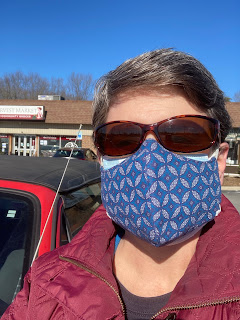
Double-masked now

If you have ME/CFS and have not gotten COVID yet, congratulations! Do everything you can now to give yourself a better chance of recovering if you do get it. That includes topics covered in my vaccine prep post, like:

In other words, do as much as you can to improve your overall condition, which will improve your life and reduce the chance of a worsening if you get COVID. This post summarizes all of the treatments that have been effective for my sons and I. Many of these treatments in that post and listed above are inexpensive and readily available. Some can even be tried without a doctor, if you don't have a cooperative doctor willing to help you. I am mostly recovered from COVID, after six weeks, except for slightly reduced energy/stamina that are slowly improving. I believe that all of these treatments I did over the previous years to improve my overall condition with ME/CFS helped me to recover more quickly.


For Anyone: What To Do If You Get COVID

Whether you have ME/CFS or not, there are some simple things you can do at the first signs of COVID infection to prevent serious complications and/or lingering symptoms (long COVID or a worsening of your ME/CFS). There are also some newer treatments that are available, if you can get access to them. Let's start with those.

Approved, Effective Treatments for COVID

There are now two main types of treatments available for COVID that are meant to be used early in the infection at home and to prevent complications and hospitalization:

  • Oral COVID Antivirals (Paxlovid and molnupiravir - see article)
  • Monoclonal Antibodies

These treatments are intended for use in those at increased risk for severe illness (that would include those with asthma and other lung conditions, older adults, and yes, those with ME/CFS or other immune issues) and are intended to be used to help prevent hospitalizations. 

The problem? Since the holiday surge, they have been mostly unavailable. The two new antivirals were released around Christmas-time and were immediately sold out everywhere--too much demand and not enough initial supply. While monoclonal antibodies are not that new, they have also been unavailable for most patients recently, with limited supplies being used for those already in hospitals. My 96-year-old father-in-law is in a nursing home, and he and I both got COVID the first week of January. We could not get either of these treatments for either of us, not even through the nursing home! Hopefully, those supply issues will be worked out, as more is manufactured and infection rates drop in the spring. My primary care doctor said the next shipments of the antivirals are expected in March.

Alternative Treatments

With the official, approved treatments unavailable, some doctors have turned to alternatives. See the NIH page on COVID antiviral treatments for details and talk to your doctor:

  • Ivermectin - despite all the media controversy, this antiparasitic drug has shown some effectiveness in limited trials in other countries, but there have been no controlled studies proving its effectiveness. Some doctors are prescribing it, but it is also widely unavailable due to increased demand.
  • Fluvoxamine - this SSRI (anti-depressant) showed some effectiveness in limiting serious complications in a study in Brazil. My own doctor prescribed a short course for me for 10 days, when we determined that antivirals and monoclonal antibodies were unavailable.
 

At-Home Treatments

With most cases of COVID, primary symptoms include chest congestion, cough, chest tightness, and sometimes sinus congestion and/or shortness of breath (plus severe fatigue). My son and I both had most of that, except for shortness of breath. You want to prevent those symptoms from becoming severe and doing long-term damage to your lungs and heart. These simple over-the-counter or prescription remedies can help to keep sinuses and lungs clear and ease symptoms:

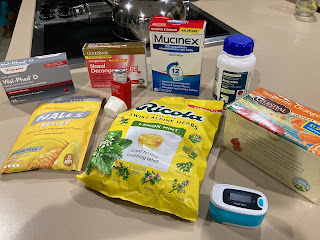
  • Mucinex 12-hour Maximum Strength (1200 mg extended-release guaifenesin) - thins mucus to keep it from collecting in sinuses and lungs and becoming infected - we use it often for allergies and colds, to prevent bronchitis and sinus infection, but we took it round-the-clock (every 12 hours) while we had COVID. Get the kind I linked to above, with no other ingredients in it.
  • For sinus congestion, phenylephrine (mild decongestant, sold as Sudafed PE or decongestant PE) or pseudoephedrine (strong decongestant, often sold as Sudafed or decongestant - can't be sold online because you must show ID at the drugstore). Pseudoephedrine can have some side effects, as it constricts blood vessels (which can actually help OI) and is stimulating, so save it for severe congestion. I take PE daily for allergies but only take pseudoephedrine when I get a bad headache (that vaso-constriction makes it very effective for headaches).
  • Throat lozenges/cough drops for cough, sore throat, and throat irritation due to cough. I lost my voice during COVID from the constant coughing, and these were very soothing and allowed me to sleep. Be sure they are SUGAR-FREE or they can worsen yeast overgrowth (which many with ME/CFS have) and make you feel worse. I like Hall's Sugar-Free Lemon Honey or Ricola Sugar-Free Lemon Mint herbal drops (my new favorite), but they come in all kinds of flavors.
  • Albuterol inhaler (prescription required) for chest tightness, cough, congestion, or shortness of breath - these require a prescription from your doctor but can provide extra relief (and prevention of serious complications) by dilating (opening up) bronchial pathways. I already had one for bronchitis, and I used it a few times at bedtime so that I could fall asleep without having a coughing fit. If breathing in deeply makes you start coughing, you may need an inhaler.
  • Ibuprofen or acetaminophen for reducing fever. Ibuprofen will also reduce inflammation. Follow dosing guidelines, especially with acetaminophen, which can damage the liver if you use too much.
  • AVOID oral steroids or a steroid inhaler, unless your doctor deems them absolutely necessary and then only use for a short period. Steroids suppress the immune system so are not a good idea when fighting an infection or when you have ME/CFS (in which parts of the immune system are already suppressed). They can be used for short periods to decrease inflammation.
  • Get an inexpensive Pulse Oximeter to monitor your blood oxygen saturation level. If it dips below 90%, you should call your doctor and/or go to the emergency room.
  • Watch for signs of secondary bacterial infections, like bronchitis or sinus infection, and treat with antibiotics before they get serious. Although my primary care doctor said they are not seeing a lot of secondary bacterial infections with COVID generally, those with ME/CFS tend to be more susceptible to bacterial infections (our dysfunctional immune systems usually over-react to viruses but under-react to bacteria). Bacterial infections need immediate treatment with antibiotics to prevent them from developing into something even worse, like pneumonia. In my case, since I have a long history of bacterial bronchitis, my doctor started me on Zithromax (antibiotic that works against bronchitis) the first day I woke up with chest congestion and called her--not for COVID (it's a virus) but because my congestion was very likely to develop into bronchitis, given my history. If you suspect a secondary infection, like bronchitis or sinus infection, call your doctor immediately.
  • Lots and lots of fluids. You can easily get dehydrated when you are sick, which can make everything worse. Plus, lots of fluids--especially hot herbal tea with a touch of honey in it--can soothe a sore throat. My favorites are Celestial Seasonings Zinger herbal teas.
  • LISTEN TO YOUR BODY AND REST!! After 20 years with ME/CFS, I thought I knew fatigue, but wow, COVID knocked me out. I mostly slept and ate for 2-3 weeks (and my healthy son was very sick for a week). I am still, six weeks later, needing more sleep at night than usual, have lower energy, and more post-exertional malaise (PEM) than before COVID. All of this is getting better but slowly. Forget about doing anything at all and rest as much as your body needs.

Those are my tips for easing your symptoms when you have COVID and for preventing serious complications or worsening with COVID, based on our own experiences.

What have been YOUR experiences with COVID? What helped you?

Note: This post contains affiliate links. Purchases from these links provide a small commission to me (pennies per purchase), to help offset the time I spend writing for this blog, at no extra cost to you.